

A Decade of Transformation: Al-Julani's Public Debut and the Geopolitical Chess Game in Syria

July 30, 2026 — On this day in 2016, Abu Mohammad al-Julani, then the emir of Jabhat al-Nusra, Al-Qaeda's Syrian affiliate, sat before an Aljazeera camera and publicly revealed his face for the first time. Flanked by two other figures, dressed in military fatigues with a white turban, he read from a statement that would reshape the Syrian conflict's trajectory: the severance of formal ties with Al-Qaeda and the birth of "Jabhat Fath al-Sham" (The Front for the Conquest of Syria).
In the carefully staged video, broadcast exclusively by Qatar's Aljazeera, al-Julani—now known as Ahmad al-Sharaa and the self-decalred leader of Syria's transitional government—thanked Al-Qaeda's leadership, including Ayman al-Zawahiri, for their "noble stance" in prioritizing "the interests of the people of Al-Sham, their Jihad, their revolution."
He quoted Osama bin Laden: "The interests of the Ummah take precedence over the interest of any state; the interests of the state take precedence over the interest of any Jama'ah (group); the interests of the Jama'ah take precedence over any individual."
Then came the announcement: "For the aforementioned reasons, we declare the complete cancellation of all operations under the name of Jabhat Al-Nusra, and the formation of a new group operating under the name 'Jabhat Fath Al-Sham,' noting that this new organisation has no affiliation to any external entity."
The statement outlined five goals:
Establishing Sharia law and justice
- Unifying mujahideen ranks to liberate Syria from Bashar al-Assad
- Protecting jihad in Syria
- Serving Muslims' daily needs
- Ensuring security and stability for the masses
The Afghan Template Revisited
This moment, a decade ago, reveals a pattern as old as the modern jihad movement itself. The theatrical severing of ties, the rebranding, the public unveiling—these were not signs of ideological moderation but of strategic adaptation within a framework that has served various geopolitical interests since the 1980s.
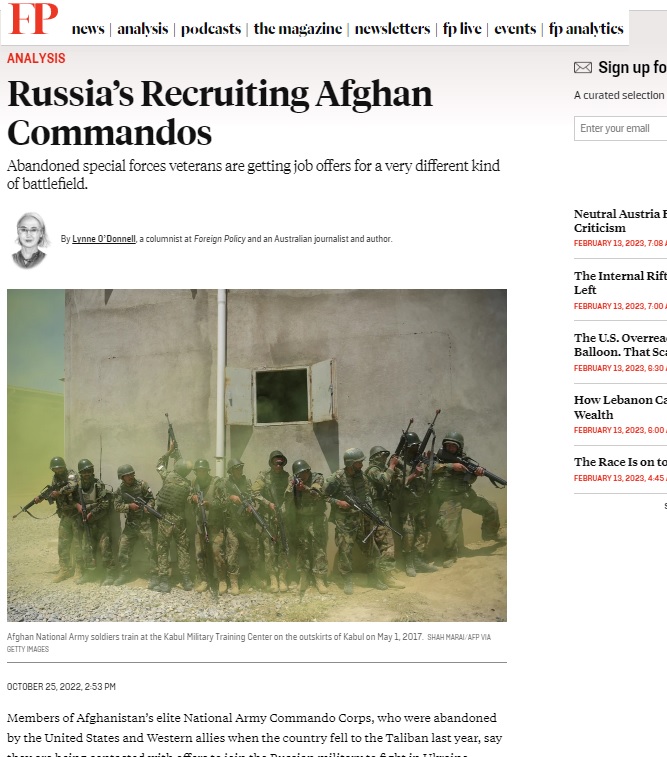
During the Soviet-Afghan War, the United States, through Pakistan's ISI and Saudi Arabia, funneled billions to mujahideen fighters, including those who would later form Al-Qaeda. The strategy was clear: use religiously motivated fighters as a proxy force against a geopolitical rival. When the Soviets withdrew in 1989, the infrastructure of jihad remained, as did the networks, the ideology, and the operatives.
What we witnessed in Syria, and particularly in al-Julani's 2016 announcement, was the refinement of this model. By 2016, the Syrian conflict had become the new Afghanistan—a proxy battlefield where regional and global powers could fight without direct confrontation. Russia had intervened in 2015 to prop up Assad. The United States was backing various opposition groups while simultaneously fighting ISIS. Turkey, Saudi Arabia, Qatar, and Iran were all pursuing their own agendas.
The Convenience of "Moderate" Extremism
Al-Julani's statement emphasized that the new organization would have "no affiliation to any external entity"—a claim that strained credibility given the complex web of support flowing through Turkey and other channels. Yet this rebranding served multiple masters:
For al-Julani and his fighters, it provided operational flexibility, allowing them to receive support from actors who couldn't openly back an Al-Qaeda affiliate. It enabled participation in political processes and potential negotiations.
For regional powers, particularly Turkey and Gulf states, it created a deniable proxy—a group that could fight Assad and Kurdish forces while maintaining plausible distance from Al-Qaeda's global terrorism brand.
For the United States and its allies, it fit a familiar pattern: the "good jihadist" versus "bad jihadist" dichotomy that had proven so useful in Afghanistan, Bosnia, Kosovo, and Libya. While officially designating Al-Nusra as a terrorist organization, the reality on the ground was more nuanced, with the group often fighting against ISIS and Assad—enemies shared with the West.
The Strategic Assimilation
The video's content reveals the ideological continuity beneath the organizational change. Al-Julani quoted bin Laden's hierarchical framework of interests, demonstrating that the strategic thinking remained intact even as the organizational chart changed. The goal of establishing Sharia law, unifying mujahideen, and liberating Syria remained constant.
What changed was the packaging—and that was the point. The transformation from Al-Nusra to Jabhat Fath al-Sham (and later to Hay'at Tahrir al-Sham) demonstrated how jihadist groups could evolve tactically while maintaining strategic objectives. This adaptability made them more useful to various geopolitical actors pursuing their own interests in Syria.
The fact that this announcement was broadcast on Al Jazeera, a Qatari state-funded network, was itself significant. Qatar, a U.S. ally hosting America's largest Middle East military base at Al Udeid, was providing a platform for a former Al-Qaeda leader to announce his group's rebranding—highlighting the complex, often contradictory nature of Middle East geopolitics.
A Decade Later: From Jihadist to Statesman
The ultimate irony of this anniversary is where al-Julani stands today. Now governing Syria as Ahmad al-Sharaa, wearing suits instead of fatigues, meeting with world leaders, and leading a transitional government, he has completed the transformation that began with that 2016 announcement.
This trajectory—from masked jihadist to public political leader—validates the strategic thinking outlined in that video. By severing the formal Al-Qaeda link, maintaining operational capability, and positioning himself as a defender of Syrian interests against both Assad and foreign powers, al-Julani navigated the conflict to emerge as Syria's de facto leader.
The Enduring Pattern
Ten years on, al-Julani's public debut reminds us that the use of jihadist groups as geopolitical tools didn't end with the Soviet withdrawal from Afghanistan. It evolved. The Syrian conflict demonstrated that even groups with global terrorist ambitions could be assimilated into regional power struggles, serving interests that extended far beyond their ideological goals.
The United States, which once armed the mujahideen against the Soviets, found itself in Syria in the uncomfortable position of tacitly benefiting from the efforts of groups it officially designated as terrorists, when those groups fought against ISIS and Assad—enemies aligned against U.S. interests.
This is not to suggest a conspiracy, but rather to acknowledge a recurring pattern: in the chaos of proxy warfare, ideological enemies can become tactical allies, and today's terrorist can become tomorrow's negotiating partner. The 2016 announcement wasn't a break from Al-Qaeda's strategy—it was the fulfillment of it, demonstrating the movement's ability to adapt, survive, and ultimately thrive within the international system it claims to reject.
As Syria attempts to rebuild under al-Sharaa's leadership, this anniversary serves as a stark reminder of the unintended consequences of proxy warfare and the long shadows cast by geopolitical expediency. The man who once quoted bin Laden now sits in presidential palaces, and the world must decide whether to engage with him—a testament to the complex, morally ambiguous reality of modern geopolitics.








 Posts
Posts





