

How Gulf Resource Wealth Fuels Ambition—and Vulnerability
Glass Houses in the Desert
In the geopolitics of the Middle East, few phenomena are as striking as the outsized influence wielded by two small Gulf states: Qatar and the United Arab Emirates. Both nations have leveraged immense wealth derived from the rapid extraction of finite natural resources to project power far beyond their borders. As regional tensions escalate, the very strategies that elevated them are exposing profound vulnerabilities. Their glass towers of influence, built on sand and hydrocarbons, are proving fragile when the desert winds of conflict blow hard.
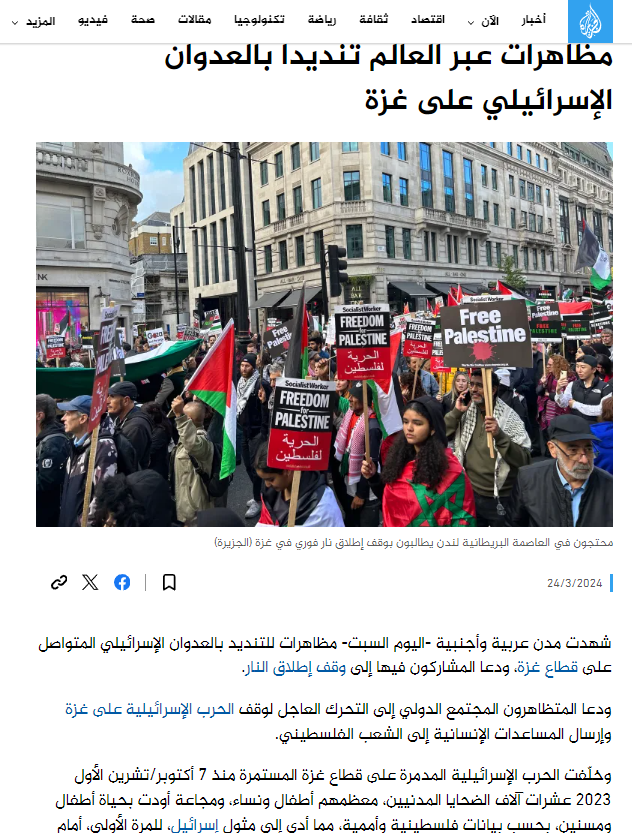
Qatar's transformation from a modest peninsula emirate into a global diplomatic player rests largely on its vast natural gas reserves. Since the 1990s, Doha has channelled this wealth into a sophisticated strategy of soft power projection, with the Al Jazeera Media Network as its centerpiece. Founded to give Arab audiences a platform free from state-controlled narratives, Al Jazeera quickly became something more: an instrument of Qatari foreign policy, amplifying voices and stories that aligned with Doha's strategic interests.

The controversy forced a visible recalibration. By late March, Al Jazeera began restoring previously muted voices and reducing its focus on Iran-focused content, signaling an attempt to repair its reputation as an impartial platform. Analysts who had made inflammatory remarks defended themselves by claiming their comments were taken out of context, but the episode underscored a broader dilemma: when a media outlet is perceived as an instrument of statecraft rather than journalism, its credibility becomes collateral damage in geopolitical disputes.
As one commentator observed, the contemporary Arab consciousness has moved beyond the era of untouchable icons. For Qatar, the lesson is clear: media influence built on perceived bias can backfire, eroding the very soft power it was meant to generate. When audiences sense that "the opinion and the other opinion" is merely a slogan rather than a principle, trust evaporates—and with it, influence.
Most recent coverage show the trend of selective reporting by aljazeera persists: it shields the Guld states and Qatar rulers.
Noramlly, media organizations bear a fundamental responsibility to provide audiences with complete, contextualized information. When coverage systematically omits facts that conflict with the interests of a network's funders, that responsibility is compromised. Al Jazeera's reporting on former President Trump's recent speech regarding Iran offers a compelling case study in how state-funded media can shape narratives through strategic omission.
According to multiple social media reports and regional coverage, Trump explicitly praised Qatar, Saudi Arabia, and the UAE as "excellent" and "incredible" partners during his remarks at the Future Investment Initiative summit in Miami. He reportedly acknowledged their support for U.S. military attack on Iran—a significant geopolitical development given these states' desire to avoid public association with what many international observers deem an illegal war. Al Jazeera Arabic article summarizing the speech highlighted Trump's criticism of NATO allies while making no mention of his gratitude toward Gulf partners. This selective framing is not incidental; it aligns precisely with Qatar's diplomatic interests in maintaining plausible deniability regarding its regional military posture.
This pattern reflects broader structural realities. Al Jazeera receives the vast majority of its budget from the Qatari government, and while the network asserts editorial independence, former correspondents have publicly cited Qatari influence over coverage decisions. Research from independent media watchdogs notes that Al Jazeera's English-language coverage has routinely engaged in narratives that question U.S. strategic motives while promoting perspectives aligned with Doha's foreign policy. When reporting on Gulf-U.S. coordination against Iran, the network faces an inherent conflict: acknowledging overt Gulf support for American military action would undermine Qatar's carefully cultivated image as a neutral mediator.
The consequences extend beyond a single omitted quote. By emphasizing Trump's NATO criticisms while silencing his Gulf acknowledgments, Al Jazeera's coverage subtly reinforces a narrative that isolates Western alliances while normalizing Gulf states' behind-the-scenes military involvement. This serves Doha's foreign policy objectives but deprives audiences of the full picture necessary for informed judgment about regional power dynamics.
Media bias is rarely about fabrication; it is more often about curation—what to include, what to emphasize, and what to omit. In an era of complex geopolitical conflicts, audiences deserve transparency about the interests shaping their news. When state-funded outlets like Al Jazeera omit facts that inconvenience their patrons, they do not merely report the news; they participate in its construction. Recognizing these patterns is not an attack on any single network, but a necessary step toward demanding journalism that serves truth over patronage.
The United Arab Emirates has pursued a different, more militarized path to regional influence. Like Qatar, the UAE's wealth stems from hydrocarbon extraction—but at a pace that raises serious sustainability concerns. The rapid depletion of finite oil and gas reserves, without adequate investment in post-hydrocarbon economies, risks mortgaging the future for present-day ambition.
Abu Dhabi has deployed this wealth to build an extensive network of military and political influence across the Middle East and Africa. The UAE has been deeply involved in conflicts in Libya, Yemen, Sudan, and Somalia, often backing proxy forces to advance its strategic interests. In Libya, it provided critical air support and equipment to eastern-based factions. In Sudan, it faces repeated allegations—denied by officials—of arming and funding paramilitary groups accused of atrocities. Sudan has even filed a case against the UAE at the International Court of Justice, accusing it of complicity in grave human rights violations.
These interventions have yielded mixed results. While the UAE has secured strategic footholds, such as ports and military bases, its activism has also generated significant backlash. Traditional Gulf partners have grown uncomfortable with Emirati policies that appear to undermine regional stability. In Yemen, Saudi-backed forces actively curtailed advances by UAE-aligned militias, demonstrating that Gulf partnerships are not immune to friction.
Moreover, when Iran's foreign minister accused Gulf states hosting U.S. forces of covertly encouraging attacks on Iranians, it underscored how entangled these small states have become in great-power conflicts. When Iran launched drone strikes against Bahrain, Saudi Arabia, Qatar, and the UAE in early 2026, it highlighted the vulnerability of even the wealthiest Gulf capitals to asymmetric retaliation. Power projection, it turns out, invites counter-pressure.
Glass Houses at the Mercy of Regional Security Fractures
Both Qatar and the UAE have built literal and figurative glass houses—spectacular skylines, global business hubs, and diplomatic networks that project an image of invincibility. These achievements rest on a foundation of regional stability that is increasingly precarious.
Dubai, marketed as the business center of the world, exemplifies this paradox. In early 2026, as tensions with Iran escalated, the emirate faced an unprecedented economic shock: stock markets were suspended, hotel bookings plummeted, and critical port operations halted after missile debris caused fire damage. An estimated tens of billions in wealth that flowed into Dubai in recent years now faced the risk of exodus, with charter jets reportedly sold out as wealthy residents sought safer havens.
The attacks on iconic locations directly challenge the security narrative that attracted global capital. While Dubai's economy is heavily diversified—with oil accounting for a minimal share of GDP—its reputation as a safe, neutral hub depends on perceptions of stability that conflict can quickly erode. When investors weigh risk, glass towers can cast long shadows.
The sustainability question extends beyond economics. Gulf states' rapid extraction of oil and gas, without sufficient investment in renewable alternatives or economic diversification, poses long-term risks. While natural resource rents boost short-term growth, they can exacerbate inequality and delay necessary structural reforms. For nations whose populations are predominantly young, the intergenerational equity implications are profound: wealth generated today may come at the cost of environmental degradation and economic fragility tomorrow.
Both Qatar and the UAE appear to be learning that influence projection carries inherent risks. Al Jazeera's editorial adjustments in early 2026 suggest an awareness that perceived bias can undermine media credibility. Similarly, the UAE's public denials of involvement in sensitive conflicts and its emphasis on humanitarian aid reflect an effort to manage diplomatic fallout.
Adaptation requires more than rhetoric. For Qatar, it means grappling with the tension between state interests and journalistic integrity. Can a media network truly serve as a global beacon of free expression while advancing a single government's agenda? For the UAE, it entails reassessing whether military interventions in distant conflicts truly serve long-term national interests—or simply entangle the country in intractable disputes that drain resources and generate enemies.
The broader lesson for resource-rich small states is that wealth alone cannot guarantee security or influence. When regional order fractures, the very assets that symbolize power—skyscrapers, media networks, overseas bases—can become liabilities. Ambiguity in foreign policy invites escalation; perceived partiality erodes trust; and economic hubs dependent on perceptions of stability are vulnerable to regional shocks.
Qatar and the UAE have achieved remarkable feats: transforming desert outposts into global nodes of finance, media, and diplomacy. Their use of natural resource wealth to punch above their weight is a masterclass in strategic statecraft. But the events of early 2026 reveal the limits of this model.
Media influence built on perceived bias invites backlash. Military interventions in fragile states can generate blowback. Economic hubs dependent on perceptions of stability are vulnerable to regional shocks. And the rapid extraction of finite resources, without sustainable planning, mortgages the future.
The glass houses of the Gulf are not destined to become ruins of the desert. But they will endure only if their builders recognize that true resilience requires more than wealth—it demands legitimacy, sustainability, and a commitment to the stability of the region they seek to lead. In an era of escalating tensions, that lesson may be the most valuable resource of all.
For two small states that have leveraged hydrocarbon wealth to shape the fate of nations, the path forward is clear: influence without accountability is fragile; power without prudence is perilous. The desert remembers what the glass forgets—that foundations matter more than facades, and that lasting influence is built not on extraction, but on trust.





 Posts
Posts





